
Why You Need to Stop Using Fake Experts in Digital PR

For years, brands have relied on so-called “experts” to secure media coverage and backlinks.
Generic titles. Inflated credentials. Opinions written purely to land links.
That approach is no longer just ineffective — it’s actively risky.
As search engines and publishers tighten credibility standards, fake experts are becoming a red flag. And brands using them are increasingly seeing their links ignored, devalued, or flagged as spam.
What Do We Mean by “Fake Experts”?
We’re talking about experts who don’t exist at all.
This includes:
Completely made-up people created solely for PR commentary
AI-generated or stock images presented as real spokespeople
Fake names, fake bios and fabricated credentials
“Experts” with no real-world footprint outside press mentions
These profiles are designed to look credible at a glance, but they collapse under even light scrutiny.
And scrutiny is exactly what’s happening now.
Journalists are verifying sources more closely and search engines are cross-checking identity, authorship and consistency - audiences are quicker than ever to spot what feels off.
Once a fake expert is exposed, it doesn’t just damage the story — it taints every link and mention associated with it.
That’s when coverage stops working and links start looking like spam.

Why Fake Experts Are Being Cracked Down On

Digital PR now sits directly under the lens of trust and authority signals.
Search engines increasingly reward:
Demonstrable expertise
Consistent topical authority
Credible authorship
Independent validation
This is part of a broader shift driven by E-E-A-T (Experience, Expertise, Authority, Trust) standards, and it’s where fake experts fall apart.
When a site repeatedly earns links from thin commentary or questionable sources, those links stop carrying weight.
In some cases, they become liabilities.
Fake Experts = Spam Signals
Here’s the uncomfortable truth brands don’t hear enough:
Low-credibility PR links look increasingly like link spam.
Patterns that raise flags include:
Dozens of identical expert comments across unrelated sites
Over-optimised anchor text tied to “expert” quotes
Links from articles with no genuine editorial value
Experts who exist nowhere online outside PR mentions
Search engines don’t need to penalise you directly to hurt you — they can simply discount the links entirely.
At that point, Digital PR becomes busywork, not growth.
Why Journalists Are Switching Off
Editors are under pressure too.
They’re:
Fact-checking harder
Vetting contributors more closely
Avoiding brands that send weak or irrelevant commentary
Many journalists now recognise the same names, quotes and tactics being recycled across inboxes.
Once a brand becomes associated with low-quality “expert takes”, pitches stop landing — even when the story is good.
The SEO Risk Brands Don’t See Coming
Modern Digital PR has moved on.
It prioritises:
Genuine subject-matter experts
Lived experience, not generic commentary
Fewer placements, higher authority
Editorial value over link volume

The biggest danger isn’t a dramatic penalty.
It’s wasted authority.
When your backlink profile is padded with:
Ignored links
Low-trust mentions
Devalued placements
You’re sending mixed signals to search engines — and slowing long-term growth.
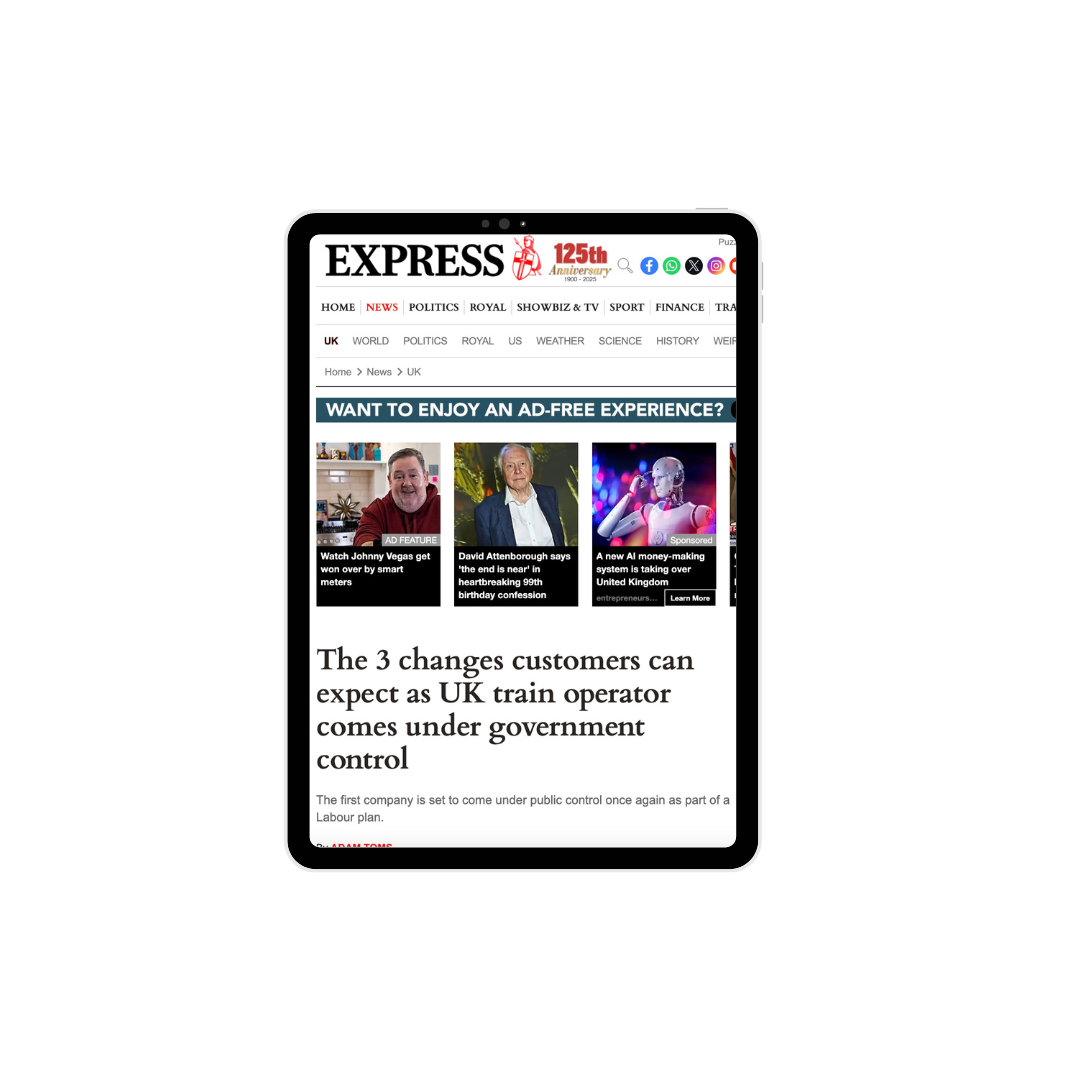
In contrast, one credible expert placement on a trusted publication can outweigh dozens of low-effort mentions.
What Real Digital PR Looks Like Now
LETS TALK
If you want Digital PR built around real expertise, newsroom standards and coverage that compounds, that’s exactly how we work.
Talk to us about expert-led Digital PR